Buy qbonk.com ?
We are moving the project
qbonk.com .
Are you interested in purchasing the domain
qbonk.com ?
domain@kv-gmbh.de · 0541-91531010
Buy qbonk.com ?
Is tartaric acid halal?
Yes, tartaric acid is considered halal. It is a naturally occurring organic acid found in many fruits, including grapes. It is commonly used in food and beverages as an acidulant and flavoring agent. As long as it is derived from permissible sources and does not contain any haram (forbidden) ingredients, tartaric acid is considered halal for consumption. **
What is tartaric acid?
Tartaric acid is a naturally occurring organic acid found in many fruits, particularly in grapes. It is commonly used in the food and beverage industry as a flavoring agent, preservative, and acidity regulator. Tartaric acid is also used in the production of wine to control the acidity and pH levels, as well as to prevent crystallization of potassium bitartrate. Additionally, it is used in the pharmaceutical and cosmetic industries for various purposes. **

Similar search terms for Tartaric
Top-Angebote
Products related to Tartaric:
-
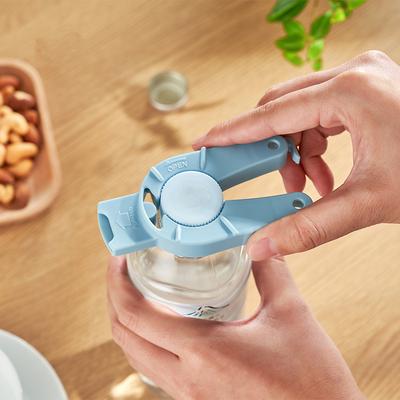
Multisell Products Hub Magnetic Bottle Opener For Household Mineral Water Plastic Beverage Bottles And Cap Opening, Kitchen Accessories Gadgets blueEffortless Cap Opening for Everyday Kitchens Upgrade your routine with this 1 pcs Kitchen Accessories Gadgets Magnetic Bottle Opener for Household Mineral Water Plastic Beverage Bottles and Cap Opening designed for convenience and comfort. It makes...34,97 $*Shipping: 0,00 $Secure redirect to the provider
-
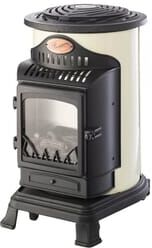
Universal Innovations Calor Gas 3kW Cream Provence Portable Gas HeaterCalor Gas 3kW Cream Provence Stove Portable Gas Heater – Country Chic Living Flame Heater The Calor Gas 3kW Provence Stove Portable Gas Heater – Cream is the perfect blend of traditional rustic charm and modern heating efficiency. Designed for character cottages, period properties and cosy interiors, this portable living flame stove gives instant, hassle free heat without the need for a flue, chimney or plug socket. With its cream finish and realistic flame effect, the Provence not only warms your home but also makes a stunning focal point, on or off. Built in wheels means you can take the warmth with you, from the kitchen to the conservatory. Key Features & Benefits Instant Living Flame Heat – Up to 3kW outp299,00 £*Shipping: 0,00 £Secure redirect to the provider
-
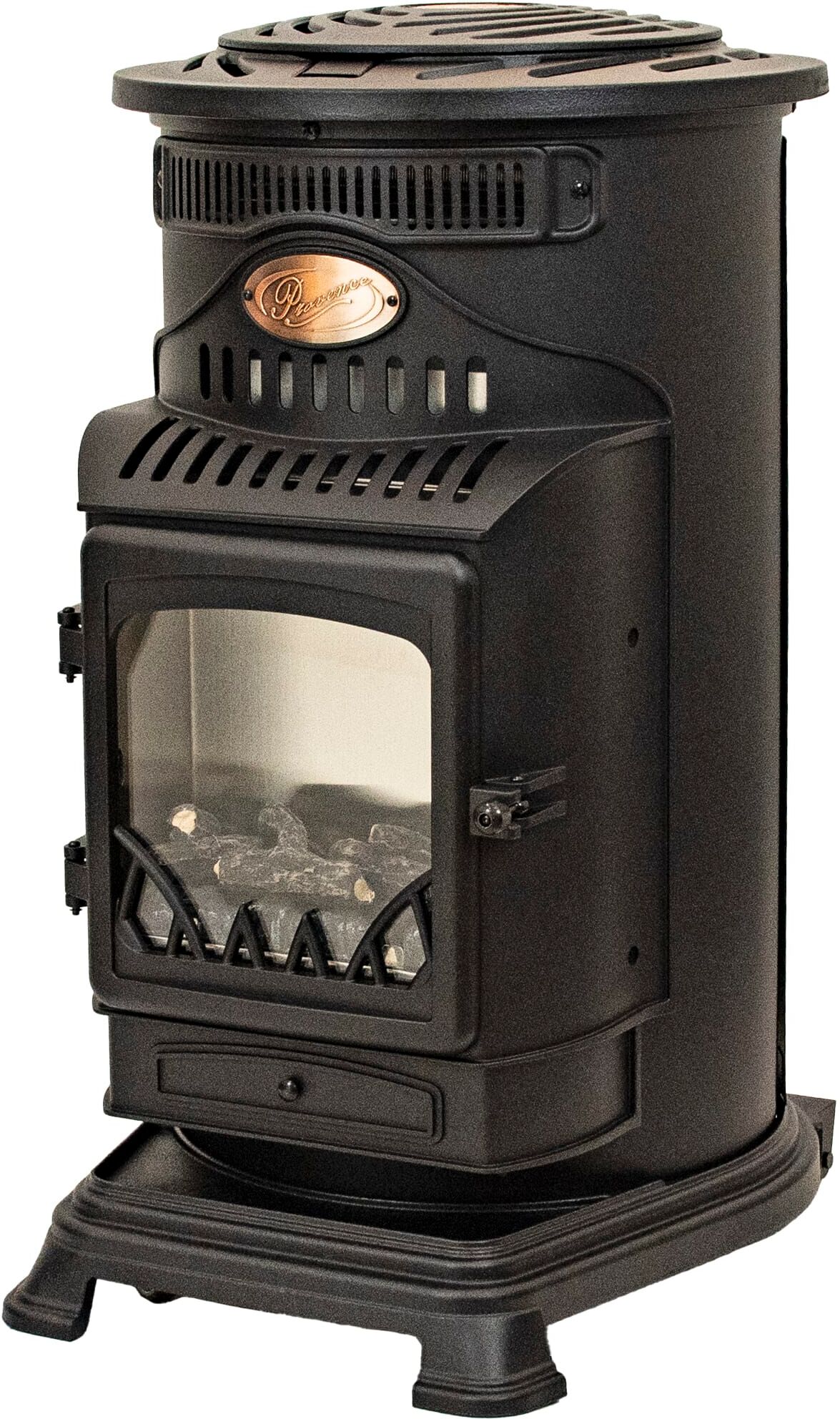
Universal Innovations Provence Hybrid 6kW Gas & Electric Portable Heater - BlackProvence Hybrid 6kW Flueless Gas & Electric Heater The Provence Hybrid 6kW combines a 4kW real gas flame fire with a built-in 2kW fan-assisted electric heater, giving flexible heating from a single cast iron unit. With no chimney, flue or mains gas connection required, it's designed to be genuinely portable, running from a butane cylinder for the gas element while offering electric heating as a fan-assisted alternative or supplement. Traditional cast iron construction gives good heat retention and a realistic flame effect, while castor wheels make it easy to reposition between rooms. Variable heat control allows output to be adjusted to suit the space, and built-in safety features — an Oxygen Depletion Sensor (ODS) and flame failure cut-off — are standard for indoor gas heater use. Key Features & Benefits349,00 £*Shipping: 0,00 £Secure redirect to the provider
-
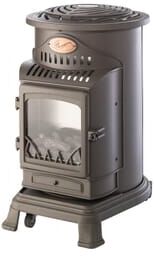
Universal Innovations Calor Gas 3kW Rustic Brown Provence Portable Gas HeaterCalor Gas 3kW Rustic Brown Provence Stove Portable Gas Heater – Country Chic Living Flame Heater The Calor Gas 3kW Provence Stove Portable Gas Heater – Rustic Brown is the perfect blend of traditional rustic charm and modern heating efficiency. Designed for character cottages, period properties and cosy interiors, this portable living flame stove gives instant, hassle free heat without the need for a flue, chimney or plug socket. With its rusticbrown finish and realistic flame effect, the Provence not only warms your home but also makes a stunning focal point, on or off. Built in wheels means you can take the warmth with you, from the kitchen to the conservatory. Key Features & Benefits Instant Living Flame Heat –299,00 £*Shipping: 0,00 £Secure redirect to the provider
-
What is the difference between L-tartaric acid and D-tartaric acid?
L-tartaric acid and D-tartaric acid are mirror-image isomers of each other, known as enantiomers. The main difference between them is their spatial arrangement of atoms. L-tartaric acid has a left-handed configuration, while D-tartaric acid has a right-handed configuration. This difference in configuration gives them different properties, such as their ability to rotate plane-polarized light in opposite directions. Despite their differences, they have similar chemical and physical properties. **
-
Why is meso-tartaric acid optically inactive?
Meso-tartaric acid is optically inactive because it has a plane of symmetry that divides the molecule into two identical halves. This means that the two chiral centers in meso-ttartaric acid are arranged in such a way that the molecule is superimposable on its mirror image. As a result, the molecule does not rotate the plane of polarized light and is therefore optically inactive. **
-
How does the protolysis of tartaric acid (C4H6O6) occur?
The protolysis of tartaric acid occurs when it reacts with water to donate a proton (H+) to the water molecule, forming the conjugate base of tartaric acid and a hydronium ion (H3O+). This reaction can be represented as C4H6O6 + H2O → C4H5O6- + H3O+. The resulting conjugate base of tartaric acid is called tartrate ion (C4H5O6-), which is a weak base. **
-
Why is the IUPAC name for tartaric acid and citric acid?
The IUPAC names for tartaric acid and citric acid are 2,3-dihydroxybutanedioic acid and 2-hydroxypropane-1,2,3-tricarboxylic acid, respectively. These names are used to provide a systematic and unique way to identify these organic compounds based on their chemical structure. The IUPAC names for these acids help to accurately describe the arrangement of atoms in their molecules, making it easier for scientists to communicate and work with these compounds in a precise manner. **
Why is the IUPAC nomenclature for tartaric acid and citric acid?
The IUPAC nomenclature for tartaric acid and citric acid is used to provide a systematic and standardized way to name these organic compounds based on their chemical structure. This helps to avoid confusion and ensure clear communication among scientists and researchers when referring to these specific acids. Additionally, the IUPAC nomenclature follows specific rules and conventions that help to accurately describe the molecular composition of these acids. **
What happens during the chemical reaction of tartaric acid and ethanol?
When tartaric acid and ethanol undergo a chemical reaction, they form an ester known as ethyl tartrate. This reaction is a condensation reaction, where a molecule of water is eliminated as the ester is formed. Ethyl tartrate is a colorless liquid with a fruity odor, and it is commonly used as a flavoring agent in the food and beverage industry. **
Top-Angebote
Products related to Tartaric:
-
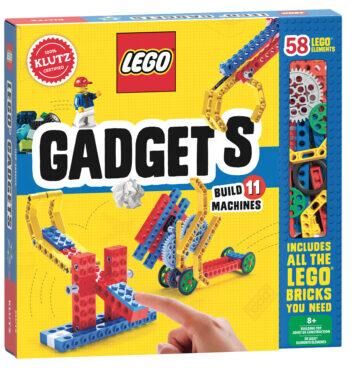
Klutz: LEGO GadgetsThis activity kit will have you building 11 machines including a gravity powered car and a wacky boxing robot. The fun doesn't stop once you've completed all of the projects in the book - open-ended prompts will inspire you to continue experimenting...24,99 $*Shipping: 0,00 $Secure redirect to the provider
-
Universal Innovations Sahara Standard Patio Heater CoverKeep your patio heater protected from the elements all year round with a durable all-weather cover.The Sahara Patio Heater Cover is made from a heavyweight material and includes a waterproof inner lining, making it water and fire retardant. It has a full-length zip for easy fitting. Using thiscover will help to keep the gas nozzle and venturi free from dust and insects. This patio heater cover is the perfect companion for your 13kW Sahara Patio Heater and is suitable for most standard-sized patio heaters.43,56 £*Shipping: 5,00 £Secure redirect to the provider
-
Multisell Products Hub Magnetic Bottle Opener For Household Mineral Water Plastic Beverage Bottles And Cap Opening, Kitchen Accessories Gadgets blueEffortless Cap Opening for Everyday Kitchens Upgrade your routine with this 1 pcs Kitchen Accessories Gadgets Magnetic Bottle Opener for Household Mineral Water Plastic Beverage Bottles and Cap Opening designed for convenience and comfort. It makes...34,97 $*Shipping: 0,00 $Secure redirect to the provider
-
Universal Innovations Calor Gas 3kW Cream Provence Portable Gas HeaterCalor Gas 3kW Cream Provence Stove Portable Gas Heater – Country Chic Living Flame Heater The Calor Gas 3kW Provence Stove Portable Gas Heater – Cream is the perfect blend of traditional rustic charm and modern heating efficiency. Designed for character cottages, period properties and cosy interiors, this portable living flame stove gives instant, hassle free heat without the need for a flue, chimney or plug socket. With its cream finish and realistic flame effect, the Provence not only warms your home but also makes a stunning focal point, on or off. Built in wheels means you can take the warmth with you, from the kitchen to the conservatory. Key Features & Benefits Instant Living Flame Heat – Up to 3kW outp299,00 £*Shipping: 0,00 £Secure redirect to the provider
-
Is tartaric acid halal?
Yes, tartaric acid is considered halal. It is a naturally occurring organic acid found in many fruits, including grapes. It is commonly used in food and beverages as an acidulant and flavoring agent. As long as it is derived from permissible sources and does not contain any haram (forbidden) ingredients, tartaric acid is considered halal for consumption. **
-
What is tartaric acid?
Tartaric acid is a naturally occurring organic acid found in many fruits, particularly in grapes. It is commonly used in the food and beverage industry as a flavoring agent, preservative, and acidity regulator. Tartaric acid is also used in the production of wine to control the acidity and pH levels, as well as to prevent crystallization of potassium bitartrate. Additionally, it is used in the pharmaceutical and cosmetic industries for various purposes. **
-
What is the difference between L-tartaric acid and D-tartaric acid?
L-tartaric acid and D-tartaric acid are mirror-image isomers of each other, known as enantiomers. The main difference between them is their spatial arrangement of atoms. L-tartaric acid has a left-handed configuration, while D-tartaric acid has a right-handed configuration. This difference in configuration gives them different properties, such as their ability to rotate plane-polarized light in opposite directions. Despite their differences, they have similar chemical and physical properties. **
-
Why is meso-tartaric acid optically inactive?
Meso-tartaric acid is optically inactive because it has a plane of symmetry that divides the molecule into two identical halves. This means that the two chiral centers in meso-ttartaric acid are arranged in such a way that the molecule is superimposable on its mirror image. As a result, the molecule does not rotate the plane of polarized light and is therefore optically inactive. **
Similar search terms for Tartaric
-
Universal Innovations Provence Hybrid 6kW Gas & Electric Portable Heater - BlackProvence Hybrid 6kW Flueless Gas & Electric Heater The Provence Hybrid 6kW combines a 4kW real gas flame fire with a built-in 2kW fan-assisted electric heater, giving flexible heating from a single cast iron unit. With no chimney, flue or mains gas connection required, it's designed to be genuinely portable, running from a butane cylinder for the gas element while offering electric heating as a fan-assisted alternative or supplement. Traditional cast iron construction gives good heat retention and a realistic flame effect, while castor wheels make it easy to reposition between rooms. Variable heat control allows output to be adjusted to suit the space, and built-in safety features — an Oxygen Depletion Sensor (ODS) and flame failure cut-off — are standard for indoor gas heater use. Key Features & Benefits349,00 £*Shipping: 0,00 £Secure redirect to the provider
-
Universal Innovations Calor Gas 3kW Rustic Brown Provence Portable Gas HeaterCalor Gas 3kW Rustic Brown Provence Stove Portable Gas Heater – Country Chic Living Flame Heater The Calor Gas 3kW Provence Stove Portable Gas Heater – Rustic Brown is the perfect blend of traditional rustic charm and modern heating efficiency. Designed for character cottages, period properties and cosy interiors, this portable living flame stove gives instant, hassle free heat without the need for a flue, chimney or plug socket. With its rusticbrown finish and realistic flame effect, the Provence not only warms your home but also makes a stunning focal point, on or off. Built in wheels means you can take the warmth with you, from the kitchen to the conservatory. Key Features & Benefits Instant Living Flame Heat –299,00 £*Shipping: 0,00 £Secure redirect to the provider
-
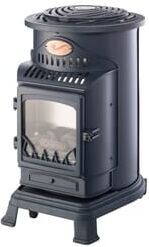
Universal Innovations Calor Gas 3kW Blue Provence Stove Portable Gas HeaterCalor Gas 3kW Navy Blue Provence Stove Portable Gas Heater – Country Chic Living Flame Heater The Calor Gas 3kW Provence Stove Portable Gas Heater – Navy Blue is the perfect blend of traditional rustic charm and modern heating efficiency. Designed for character cottages, period properties and cosy interiors, this portable living flame stove gives instant, hassle free heat without the need for a flue, chimney or plug socket. With its navy bluefinish and realistic flame effect, the Provence not only warms your home but also makes a stunning focal point, on or off. Built in wheels means you can take the warmth with you, from the kitchen to the conservatory. Key Features & Benefits Instant Living Flame Heat – Up to299,00 £*Shipping: 0,00 £Secure redirect to the provider
-
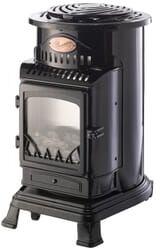
Universal Innovations Calor Gas Provence 3kW Gloss Black Portable Gas HeaterCalor Gas 3kW Gloss Black Provence Stove Portable Gas Heater – Country Chic Living Flame Heater The Calor Gas 3kW Provence Stove Portable Gas Heater – Gloss Black is the perfect blend of traditional rustic charm and modern heating efficiency. Designed for character cottages, period properties and cosy interiors, this portable living flame stove gives instant, hassle free heat without the need for a flue, chimney or plug socket. With itsgloss black finish and realistic flame effect, the Provence not only warms your home but also makes a stunning focal point, on or off. Built in wheels means you can take the warmth with you, from the kitchen to the conservatory. Key Features & Benefits Instant Living Flame Heat – Up299,00 £*Shipping: 0,00 £Secure redirect to the provider
-
How does the protolysis of tartaric acid (C4H6O6) occur?
The protolysis of tartaric acid occurs when it reacts with water to donate a proton (H+) to the water molecule, forming the conjugate base of tartaric acid and a hydronium ion (H3O+). This reaction can be represented as C4H6O6 + H2O → C4H5O6- + H3O+. The resulting conjugate base of tartaric acid is called tartrate ion (C4H5O6-), which is a weak base. **
-
Why is the IUPAC name for tartaric acid and citric acid?
The IUPAC names for tartaric acid and citric acid are 2,3-dihydroxybutanedioic acid and 2-hydroxypropane-1,2,3-tricarboxylic acid, respectively. These names are used to provide a systematic and unique way to identify these organic compounds based on their chemical structure. The IUPAC names for these acids help to accurately describe the arrangement of atoms in their molecules, making it easier for scientists to communicate and work with these compounds in a precise manner. **
-
Why is the IUPAC nomenclature for tartaric acid and citric acid?
The IUPAC nomenclature for tartaric acid and citric acid is used to provide a systematic and standardized way to name these organic compounds based on their chemical structure. This helps to avoid confusion and ensure clear communication among scientists and researchers when referring to these specific acids. Additionally, the IUPAC nomenclature follows specific rules and conventions that help to accurately describe the molecular composition of these acids. **
-
What happens during the chemical reaction of tartaric acid and ethanol?
When tartaric acid and ethanol undergo a chemical reaction, they form an ester known as ethyl tartrate. This reaction is a condensation reaction, where a molecule of water is eliminated as the ester is formed. Ethyl tartrate is a colorless liquid with a fruity odor, and it is commonly used as a flavoring agent in the food and beverage industry. **
* All prices are inclusive of VAT and, if applicable, plus shipping costs. The offer information is based on the details provided by the respective shop and is updated through automated processes. Real-time updates do not occur, so deviations can occur in individual cases. ** Note: Parts of this content were created by AI.